
Macaroni Nutrition Facts Explained: Key Benefits and Dietary Insights
Macaroni is a popular pasta choice that often appears in many kitchens, but its nutritional content isn’t always clear. When I looked into macaroni nutrition facts, I found that 100 grams of cooked macaroni contains around 157 to 158 calories. It also provides a moderate amount of protein and carbohydrates, with very low fat and cholesterol, making it a balanced energy source.
Understanding what you get from macaroni is important if you’re mindful of your diet. Alongside calories, it contains about 5.8 grams of protein and nearly 31 grams of carbohydrates per 100 grams. These numbers show why macaroni is more than just a filler—it can contribute essential nutrients without excessive fat.
I wanted to dig deeper into these facts because many people consume macaroni without knowing its wider nutritional profile. Knowing its calorie content and macronutrient balance can help you decide how it fits into your meal planning. For detailed figures, you can explore macaroni nutrition facts further on sites like FatSecret.
Nutrition Facts
Macaroni provides a clear balance of calories, carbohydrates, fats, and protein that fits well in many diets. The specific amounts depend on whether the macaroni is cooked or dry, but I will focus on common cooked servings which most people consume.
Calories, carbs, fat, and protein values
In 100 grams of cooked macaroni, there are about 157 to 158 calories. Most of these calories come from carbohydrates, which amount to around 30 to 31 grams per 100 grams. Protein is present in moderate levels, roughly 5.8 grams, providing a decent source of energy and muscle support.
Fat content is low, under 1 gram per 100 grams cooked macaroni, with almost no cholesterol. Fiber makes up about 1.8 grams, which helps with digestion. Sodium levels are also very low, close to 1 milligram per serving, making macaroni a relatively heart-healthy choice when prepared without heavy sauces or added salt.
Nutrition table for servings
| Nutrient | Per 100g Cooked Macaroni | Per 1 Cup Cooked (about 140g) |
|---|---|---|
| Calories | 157 – 158 | ~220 |
| Carbohydrates | 30.86 g | ~43 g |
| Protein | 5.8 g | ~8 g |
| Fat | 0.93 g | ~1.3 g |
| Fiber | 1.8 g | ~2.5 g |
| Sodium | 1 mg | ~1.4 mg |
This table reflects common serving sizes, which helps in estimating intake based on typical portions.
Calories in elbow macaroni
Elbow macaroni is one of the most common macaroni shapes and its nutritional profile closely matches the general cooked macaroni values. For 100 grams of cooked elbow macaroni, you can expect approximately 158 calories. This matches the figures for generic cooked macaroni, showing consistency across similar pasta shapes.
A standard cup of cooked elbow macaroni will typically provide around 200 to 220 calories, with most energy coming from carbohydrates. Protein content remains about 7 to 8 grams per cup, supporting moderate nutritional benefits without excessive fats or sugars. For precision in dietary tracking, relying on these average calorie counts is most practical.
For full detailed nutrition, see cooked macaroni facts and values in related reports like those on FatSecret.
Health Benefits
Macaroni provides essential nutrients that support energy levels, metabolism, and immune function. Its carbohydrate content fuels the body, while other vitamins and minerals contribute to overall health.
Health benefits of macaroni pasta
Macaroni is a significant source of carbohydrates, offering about 43 grams per moderate serving. These carbs are vital for supplying energy necessary for daily tasks without causing fatigue.
It contains a small amount of protein and fiber, which help with muscle repair and digestion. Macaroni also delivers trace minerals like zinc, which supports immune health and stress reduction.
Choosing whole wheat macaroni increases fiber intake and improves its nutritional profile. This helps regulate blood sugar and promotes heart health. Preparing it with low sodium helps manage cardiovascular risks and maintains electrolyte balance.
For additional details, you can explore macaroni nutrition further at healthbenefitstimes.com.
Related Foods
When I consider macaroni, I often think about other pasta varieties that share similar nutritional profiles. Foods like elbow macaroni, penne, and rotini provide comparable amounts of carbohydrates and protein, making them interchangeable in many dishes.
Here’s a quick comparison of dry pasta calories per 100 grams:
| Pasta Type | Calories | Protein (g) | Carbohydrates (g) | Fat (g) |
|---|---|---|---|---|
| Macaroni (dry) | 371 | 14 | 82 | 4 |
| Penne (dry) | ~350 | 13 | 75 | 2.5 |
| Rotini (dry) | ~360 | 12.5 | 78 | 3 |
These pasta shapes are mostly made from enriched wheat flour, which contributes to their high carbohydrate content and moderate protein levels. They all have low fat, generally under 5 grams per 100 grams dry.
I find it important to note that cooked macaroni has fewer calories per 100 grams than dry because it absorbs water during cooking. For cooked elbow macaroni, calories drop to about 158 per 100 grams, with roughly 6 grams of protein and 31 grams of carbohydrates.
In addition to pasta, other related foods include enriched noodles and some grain-based products that provide similar macronutrients. Their fiber content tends to be low unless whole grain versions are chosen.
Understanding these related foods helps me plan meals with consistent nutrition, especially when substituting one pasta with another. You can find more detailed information about macaroni and its nutrition here.
Recipes
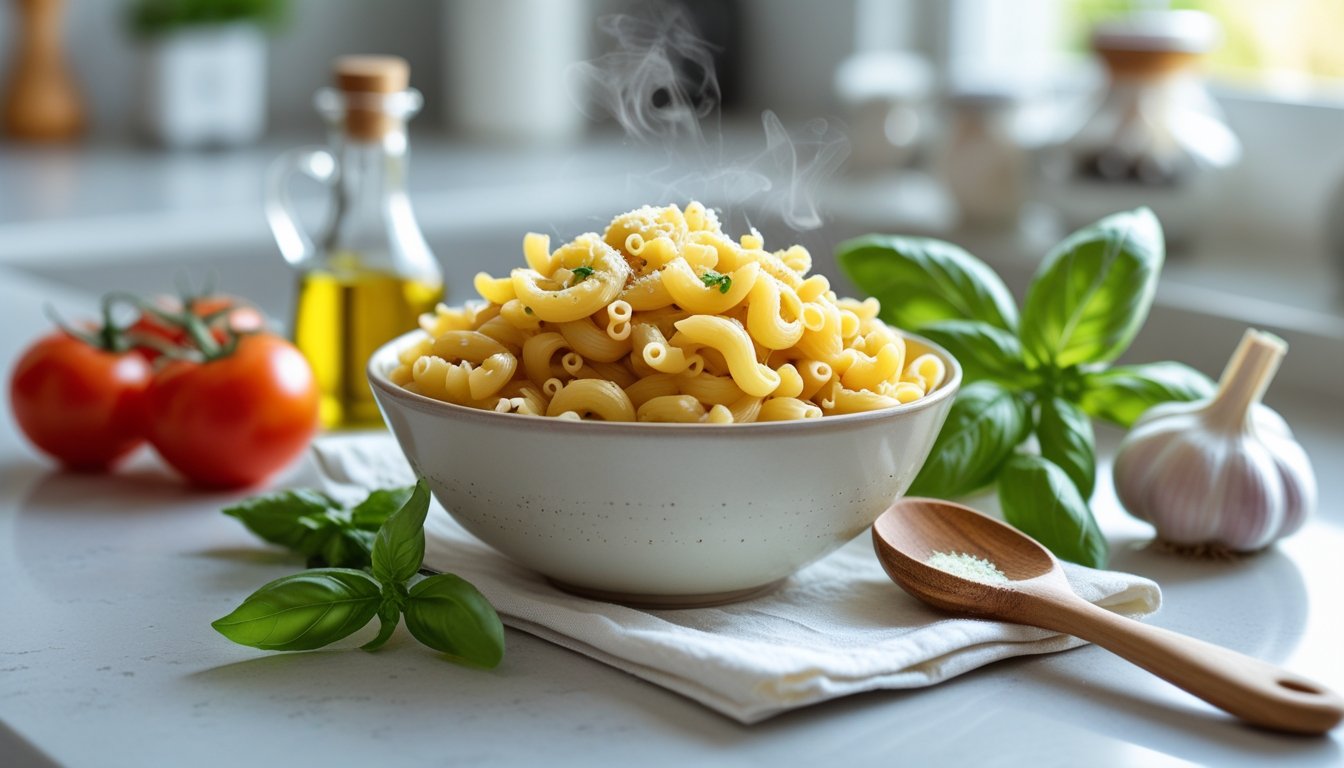
I often use macaroni as a versatile base for a variety of dishes. One classic recipe is macaroni and cheese, which combines cooked macaroni with a rich cheese sauce. For added nutrition, I like to mix in vegetables like spinach or broccoli.
Another favorite is a cold macaroni salad. I toss cooked macaroni with mayonnaise, diced celery, onions, and boiled eggs. It’s an easy, satisfying dish that works well for lunches or picnics.
For a simple dinner, I prepare a macaroni pasta bake. I mix macaroni with tomato sauce, lean ground meat or a plant-based protein, and top it with a little grated cheese. Baking it until golden gives a comforting, filling meal.
Here’s a quick nutrition summary for cooked macaroni, which helps me balance meals:
| Nutrient | Amount per 100g |
|---|---|
| Calories | About 157-158 kcal |
| Carbohydrates | Around 31 grams |
| Protein | Approximately 5.8g |
| Fat | Less than 1g |
When cooking macaroni, I recommend measuring portions carefully and adjusting recipes to meet personal nutritional goals. For detailed nutrition info, I use Macaroni Nutrition Facts.
Meal Planning
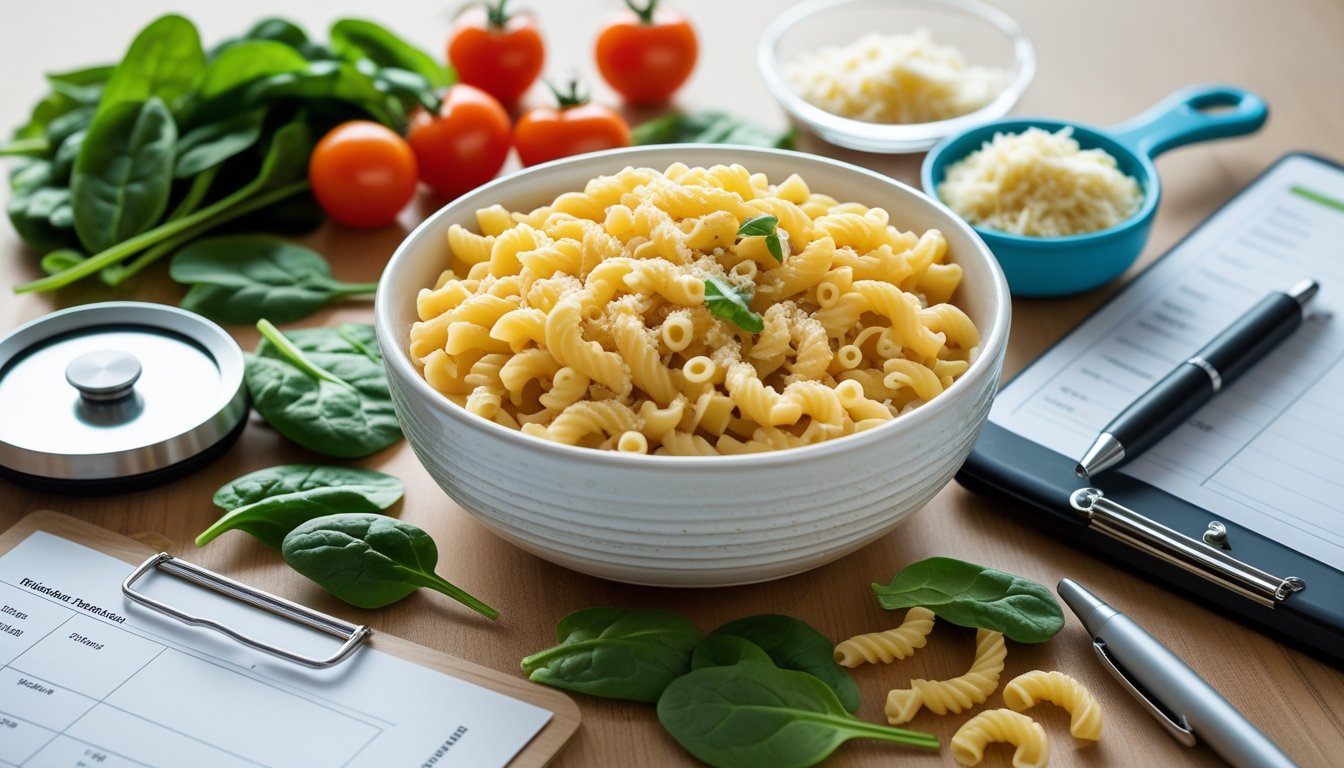
When planning meals with macaroni, it’s important to consider calorie intake, macronutrient balance, and portion sizes. Understanding the nutritional content can help you manage fat, protein, and carbohydrate levels effectively.
Try the meal planner
I find using a meal planner useful to track how macaroni fits into my daily nutrition goals. For example, 1 oz of dry macaroni contains about 105 calories and is mostly carbohydrates, with 14% protein and 4% fat.
Some meal plans include macaroni servings with around 1940 calories and 34 grams of fat daily. Adjusting portion sizes helps balance calorie intake without sacrificing nutrition. Using tools like the Share the Pasta meal plan lets me customize meals while monitoring sodium, cholesterol, and fat levels efficiently.
This keeps meals varied and prevents overconsumption of calories from pasta dishes like macaroni salad, which can have higher fat content.
